Toll

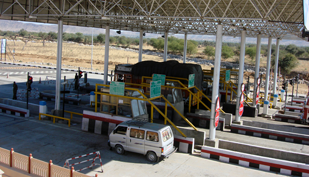
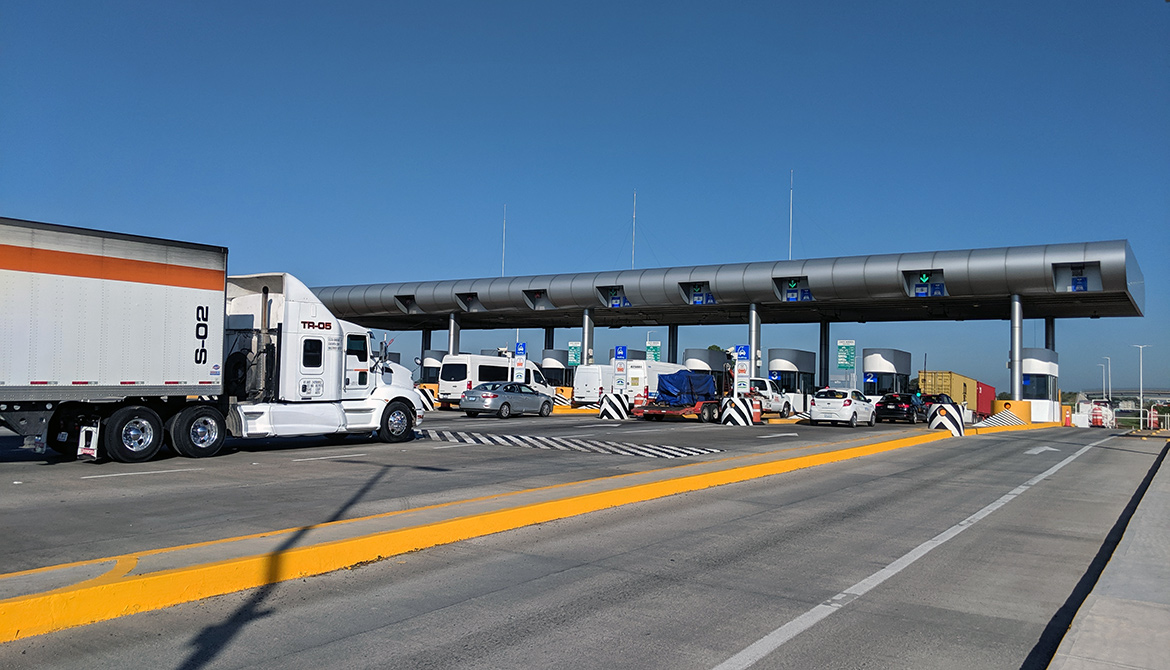
IRD iTOLL System installed for JAS Toll Road Co. Ltd. near Bangalore, India.
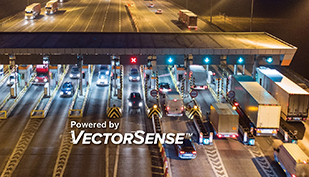
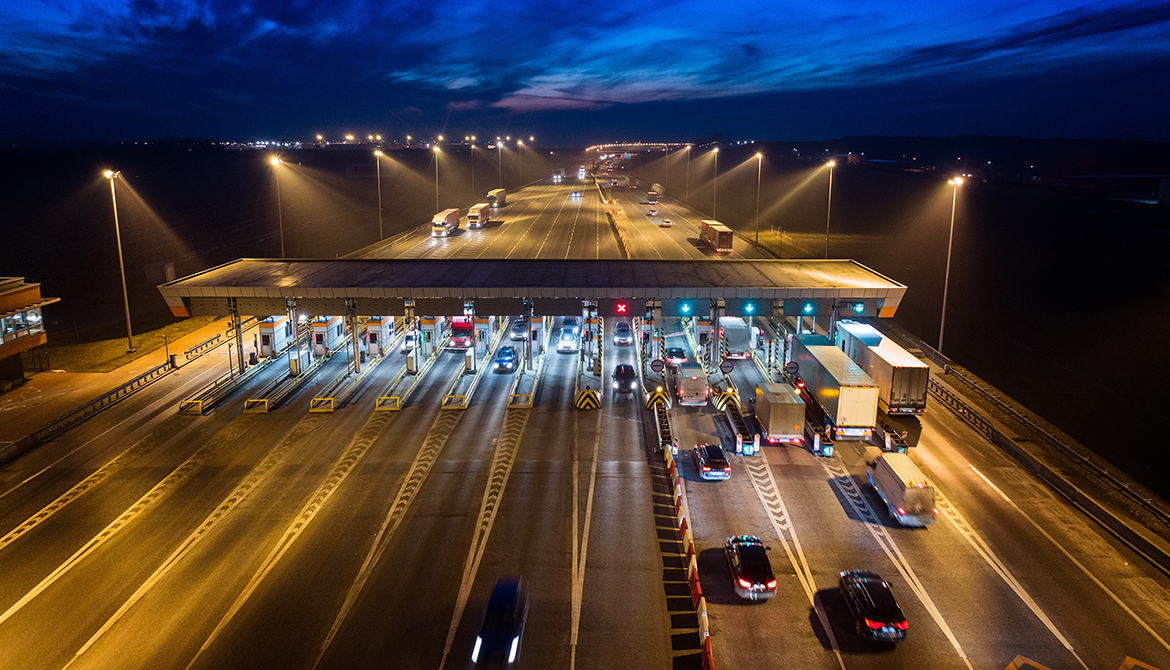
Toll roads are implemented to recover construction and maintenance costs through a user-pay principle. IRD's iTOLL System assists in the management of toll operations by providing valuable data such as traffic volume, vehicle classification, and fare expected / collected. iTOLL offers a variety of solutions for toll systems and can be modified to suit the specific needs of the client. The IRD iTOLL System is scalable and can be configured from a simple toll cash collection system to a fully integrated toll system with vehicle classification and video for audit.
The iTOLL System is a post-classification system. A post-classification system requires the operator to enter the vehicle classification for fare calculation. The system automatically determines the vehicle classification as the vehicle is leaving the toll booth and generates a discrepancy event if the operator entered vehicle classification does not match the automatically generated vehicle classification. Afterwards, the discrepancy can be resolved at the supervisor workstation by reviewing the captured video clip and adding a supervisor override to the operator classification or payment method.
Some of the key features of iTOLL are:
| 1. | Multiple payment methods are supported using Cash, Smart Cards and Barcoded tickets: | |
| a) Multiple Smart Card Payment Methods | ||
|
||
|
b) Pre-printed Barcoded Tickets |
||
|
||
|
c) Barcoded Receipts with Validation Scanning |
||
|
||
| 2. | An automated transfer operation exists to transfer the transaction and event records from the Lane computer to the Plaza computer. All databases are automatically synchronized whenever the Ethernet network is available between the computers. | |
| 3. | The system can be integrated with IRD/PAT Weigh-In-Motion (WIM) technologies so weight can be used as a factor in the toll fare calculation. | |
| 4. | IRD offers engineering services to integrate iToll with project specific ETC equipment subject to regional requirements. IRD has over 15 years experience integrating DSRC technologies into systems at highway speeds. | |
| 5. | The lanes are able to function independently from the plaza. A local database is installed on every Lane Subsystem with a centralized database on the Plaza Subsystem. | |
| 6. | Transfer configuration information from the plaza computer to the lane computer through either a daily scheduled automated update, or an administrator requested update. | |
| 7. | The system is able to detect the passage of a vehicle and generates an event, even if the lane is closed. | |
| 8. | The system provides the ability to backup, restore, and purge data. | |
| 9. | The User ID controls the access rights to toll systems operation. The system supports, as a minimum, the following access rights groups: Administrator, Maintenance, and Supervisor. | |
| 10. | The system supports up to 99 vehicle classes and has an administrator configurable rate associated with each class. The system automatically retrieves the configured rate when the operator selects a class. | |
| 11. | The system has the ability to enable or disable the following: | |
|
||
| 12. | The system runs on the Microsoft Windows XP Professional operating system environment. | |
| 13. | The system supports multiple languages as supported by the Microsoft Windows OS Environment. | |
iTOLL incorporates IRD DYNAX® sensors, treadles, and interfaces. The DYNAX® Treadle has an accuracy of greater than 99.5% and features sensors which operate effectively in stop-and-go traffic. IRD offers the DYNAX® Single/Dual Sensor which is one of the active sensors in a DYNAX® Treadle and can identify single and dual wheels. This allows an iTOLL operation to incorporate additional classifications, thereby, enhancing its revenue base.
Please click here for further information about IRD's Dynax® Treadles.
- Toll Systems - Project Experience (pdf - 79 kb)
- IRD TCC Toll Audit System (pdf - 354 kb)
- iTOLL Systems Brochure (pdf - 924 kb)
Slide Presentations
- Post-classification Toll System (pdf - 186 kb)
(PDF files require Adobe Reader)